

The Impact of Family Rejection on LGBTQ Mental Health
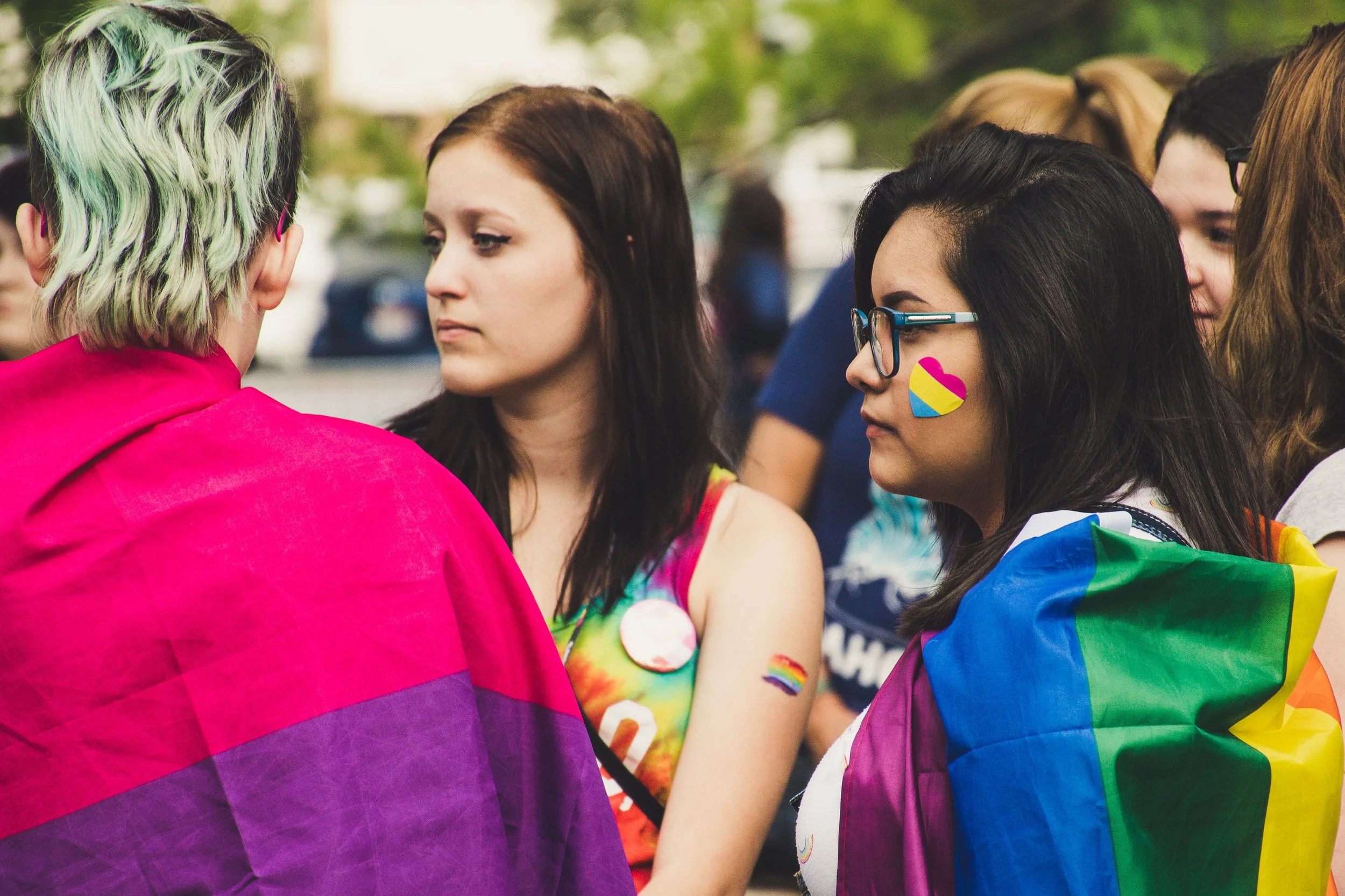
Family is often the first place where people learn what it means to feel accepted, valued, and safe. For LGBTQ individuals, support from parents, caregivers, siblings, and other relatives can have a powerful influence on emotional well-being. When that support is replaced by rejection, criticism, or exclusion because of a person’s sexual orientation or gender identity, the effects can reach far beyond the family relationship.
Research has consistently connected rejection, discrimination, and a lack of affirming environments with increased mental health concerns among LGBTQ people, particularly adolescents and young adults. Understanding these effects can help families become a stronger source of support and help LGBTQ individuals recognize that professional support is available.
What Can Family Rejection Look Like?
Family rejection does not always involve someone being forced to leave their home. It can appear in many different ways.
A family member may refuse to acknowledge someone's sexual orientation or gender identity, make insulting comments, pressure the person to change, intentionally exclude a partner from family activities, or repeatedly dismiss the person's experiences.
Some LGBTQ individuals may also feel that affection or support from their family has become conditional. They may believe they will only be accepted if they hide an important part of themselves.
Over time, these experiences can affect a person's sense of emotional safety and belonging.
How Family Rejection Can Affect Mental Health
The connection between rejection and mental health can be understood partly through the concept of minority stress. Minority stress describes the additional psychological strain that can occur when members of stigmatized groups experience discrimination, prejudice, rejection, or expectations that they will be mistreated.
Family rejection may contribute to feelings of shame, isolation, loneliness, anxiety, depression, and low self-worth. For some people, rejection may also make it more difficult to seek help because they worry that another person will judge or misunderstand them.
LGBTQ young people appear to be particularly vulnerable. The Trevor Project's 2024 national survey included more than 18,000 LGBTQ young people between the ages of 13 and 24. Thirty-nine percent reported seriously considering suicide during the previous year, while 12 percent reported attempting suicide. The organization emphasizes that LGBTQ people are not inherently more vulnerable to suicide because of their identity. Instead, experiences such as rejection, discrimination, bullying, and a lack of supportive environments can contribute to increased risk.
Acceptance Can Make a Meaningful Difference
The encouraging part of this research is that supportive relationships can make a difference.
Acceptance does not necessarily mean that every family member immediately understands everything about an LGBTQ person's experiences. Families may have questions, cultural differences, religious beliefs, or emotions that take time to process. What matters is whether those conversations occur in a way that protects the person's dignity, safety, and relationship with their family.
Research from The Trevor Project has found meaningful differences between young people who experience acceptance and those who do not. For example, among Latinx LGBTQ young people who had disclosed their sexual orientation to a parent or caregiver, those who reported having at least one accepting parent or caregiver also reported lower rates of suicide attempts than those whose parents or caregivers were not accepting.
Support can involve listening without immediately criticizing, communicating love consistently, respecting appropriate boundaries, learning more about LGBTQ experiences, and remaining involved in the person's life.
Sometimes one supportive family member can become an important source of stability during a difficult period.
Family Rejection Can Affect Relationships Beyond the Home
The effects of rejection may also influence future relationships.
Someone who has experienced repeated criticism or abandonment from family members may become particularly sensitive to rejection in friendships or romantic relationships. Others may avoid emotional vulnerability because they have learned that sharing personal information can result in judgment.
Some individuals respond by becoming extremely independent because relying on other people no longer feels safe. Others may constantly seek reassurance that their relationships are secure.
These patterns do not occur in every LGBTQ person who experiences rejection, but they can become important topics to explore in therapy.
How Therapy Can Help
Therapy can provide LGBTQ individuals and families with a space to process difficult experiences and develop healthier ways of communicating.
Individual therapy may help a person work through depression, anxiety, grief, shame, trauma, or difficulties with self acceptance. Therapy can also help clients recognize strengths, develop supportive relationships, and identify coping strategies when family relationships remain difficult.
Family therapy may be appropriate when family members are willing to participate. A therapist can help families explore patterns of communication, emotional reactions, cultural values, fears, and misunderstandings without reducing the person to their LGBTQ identity.
Couples and family therapists are particularly interested in relationships and the systems surrounding an individual. Instead of viewing emotional distress only as something happening within one person, systemic therapy also considers how family relationships, culture, community, discrimination, and social support influence mental health.
Access to affirming mental health care remains important. In The Trevor Project's 2024 survey, 84 percent of LGBTQ young people reported wanting mental health care, but half of those who wanted care were unable to receive it.
Moving Toward Connection
Family relationships can be complicated, and rebuilding trust after rejection may take time. Some relationships improve through education, conversation, and therapy. Other individuals may need stronger boundaries if relatives continue to behave in harmful or rejecting ways.
For LGBTQ individuals, developing a supportive network can be an important part of emotional health. That support might come from relatives, friends, partners, mentors, community organizations, therapists, or other trusted people.
For families, one of the most important steps may simply be communicating that the relationship still matters.
Feeling heard, respected, and connected cannot eliminate every mental health challenge. However, research continues to show that supportive families and communities can play an important protective role in the lives of LGBTQ individuals.
If you or someone you care about is struggling with family rejection, anxiety, depression, identity-related stress, or relationship difficulties, speaking with an LGBTQ affirming mental health professional can provide a supportive place to begin working through those experiences.
References
The Trevor Project. (2024). 2024 U.S. National Survey on the Mental Health of LGBTQ+ Young People. (The Trevor Project)
The Trevor Project. (2024). Mental health and access to care for LGBTQ+ girls and young women. (The Trevor Project)
The Trevor Project. (2024). The mental health and well being of Latinx LGBTQ+ young people. (The Trevor Project)