

What Are The Signs Of ADHD In Adults?
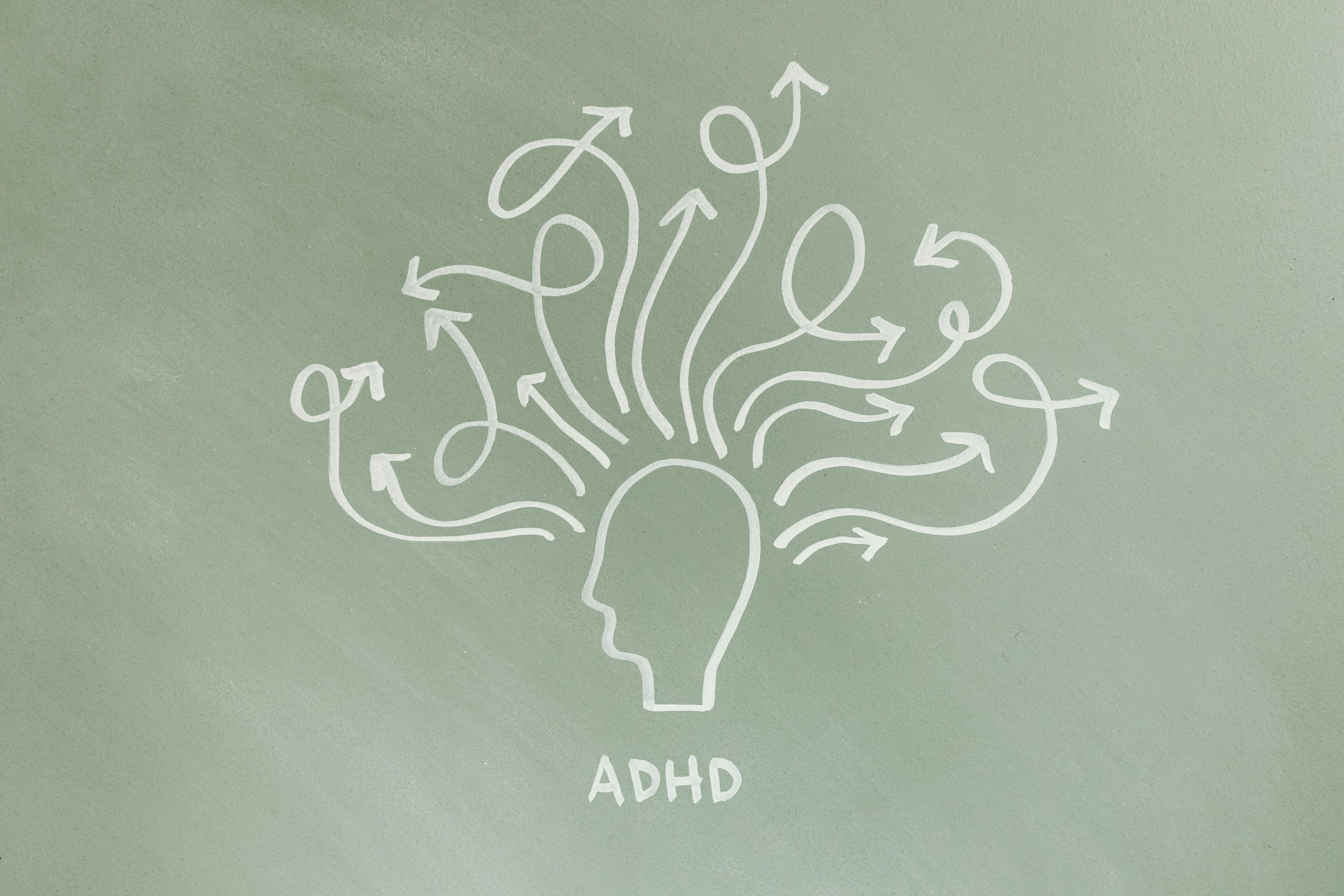
It happened again: you've missed a deadline. You've forgotten something important, and you just know you put your keys in a safe place, but now you have no idea where they are! You've started to wonder: Do I have ADHD? You might feel overwhelmed, like there is something wrong with your brain, but the truth is, many people have ADHD and have dealt with the same sense of overwhelm you might be feeling now.
You might notice that even simple tasks feel harder than they should, or that your mind doesn’t slow down when you need it to. Maybe you try to stay organized or focused, but it doesn’t stick the way you expect. Over time, this can start to feel frustrating, confusing, or even discouraging.
So, What Is ADHD, And How Do You Know If You Have It?
ADHD stands for adult attention deficit disorder, and it means that some areas of the brain might be bigger or smaller, and that your brain might produce less reward chemicals. This can make everyday tasks more difficult and less rewarding.
If you've ever found yourself going from task to task with no feeling of accomplishment, this could be why. The areas of the brain that act as the command center and control logic, reasoning, sustained focus, and emotional regulation may be smaller. This leads to differences in how your brain functions.
ADHD in adults doesn’t always look obvious. It often shows up in patterns over time, like difficulty managing responsibilities, trouble prioritizing tasks, or feeling stuck when trying to start something important. These patterns can affect work, relationships, and daily routines in subtle but meaningful ways.
Because many of these challenges can overlap with stress or burnout, ADHD is often overlooked or misunderstood. That’s why noticing consistent patterns, rather than isolated moments, can be an important step in understanding what you might be experiencing.
So, What Are The Signs Of ADHD in Adults?
First, it's important to understand that the three types of ADHD look a little different from each other.
The Types are
Inattentive - Easily distracted
Hyperactive - Constantly on the go
Combined. - a combination of both.
Now that we know there are different types of ADHD, let's take a look at the symptoms for each.
Inattentive
You may struggle with:
Paying attention
Starting tasks
Overwhelm
Making "careless" mistakes
Daydreaming during meetings
Listening
Short-term memory
Being organized
Recalling details
Loosing things
Hyperactive
You may struggle with:
Interrupting others
Staying seated
Talking "too much."
Staying on task at work
Feeling Edge
Fidgeting
Feeling irritable
Snapping at others
With combined type ADHD, you may find that you struggle with any combination of the first two types.
You might find the symptom list for ADHD overhwelming, but if you're experiencing these symptoms, you are not alone. In fact, many people with ADHD find that they struggle at home and at work because the symptoms of ADHD may look like carelessness to others.
You may find that you make mistakes on work projects, talk over others at meetings, or forget important details and deadlines at work. At home, ADHD may look like avoiding chores, leaving things scattered around, losing important documents, or forgetting important dates like anniversaries or birthdays.
With all this information, you may be thinking, "ok, so now what?" Am I just going to struggle with these things forever? Is it even possible to live a normal life with ADHD?
The good news is yes! Many famous people like Channing Tatum and Emma Watson have spoken about their struggles with ADHD.
Simone Bials stated, "I have taken ADHD meds since I was a child. Having ADHD and taking medication is nothing to be ashamed of."
When Is It Time To Seek Help For Adhd?
Many people get distracted, lose things, or struggle with staying focused, but if these symptoms are negatively impacting your life, it might be time to get help.
One key sign is when these patterns start interfering with your ability to follow through on responsibilities. You may have good intentions but find it difficult to complete tasks, manage time, or keep track of important details.
You might also notice a gap between what you know you’re capable of and what you’re actually able to do day to day. This can feel confusing and frustrating, especially when effort doesn’t seem to lead to consistent results.
Another indicator is how often you feel mentally drained from trying to stay on top of things. Constantly having to remind yourself, catch up, or recover from small mistakes can take a toll over time.
If these experiences feel familiar and are making daily life harder to manage, reaching out for support can help you better understand what’s going on and find ways to move forward with more clarity and structure.
If you’re unsure whether it’s the right time to reach out, you can learn more about when it’s a good time to go to therapy to help guide your decision.
How Is ADHD Impacting Me?
Sometimes the impact of ADHD becomes clearer when you pause and reflect on your own experiences. These questions can help you understand whether these patterns are affecting your daily life in a deeper way:
Have you ever lost a job or a relationship due to these symptoms
Does everything feel constantly overwhelming
Do you find that you never finish things, even when it's something important
Do your symptoms negatively impact those around you?
If you answered yes to some of these questions, it's important to remember that you aren't broken. You aren't lazy, and the good news is that we can work with our ADHD brains so that things don't feel as overwhelming.
An ADHD-friendly therapist can help you on your journey in many ways, and working with someone who offers neurodivergent-affirming therapy can make that support feel more aligned and understanding.
There are many options for treating ADHD, and it's easy to get lost in all the data. Therapy can help you define your goals, choose a treatment plan that's right for you, and find routines that stick.
An ADHD friendly therapist can help you work with your brain instead of against it. Therapy can help you learn how to complete goals and provide gentle accountability.
Therapy is also a place where you can work through negative thoughts, such as "I'm lazy" or "I am careless," so you can build a healthy view of yourself.
Final Thoughts
If you’ve seen yourself in some of these patterns, it can raise a lot of questions. What you’re experiencing may have a deeper explanation than you’ve been told before.
You don’t have to figure everything out right away. What matters is starting to understand your patterns with more awareness and less self-judgment.
With the right support, things can begin to feel more manageable, and you can move forward in a way that works with how your mind operates.
If you’re ready to better understand how ADHD is impacting your life, YouWell Collective offers therapy designed to support you with clarity, structure, and practical tools. Book a FREE consultation today!