

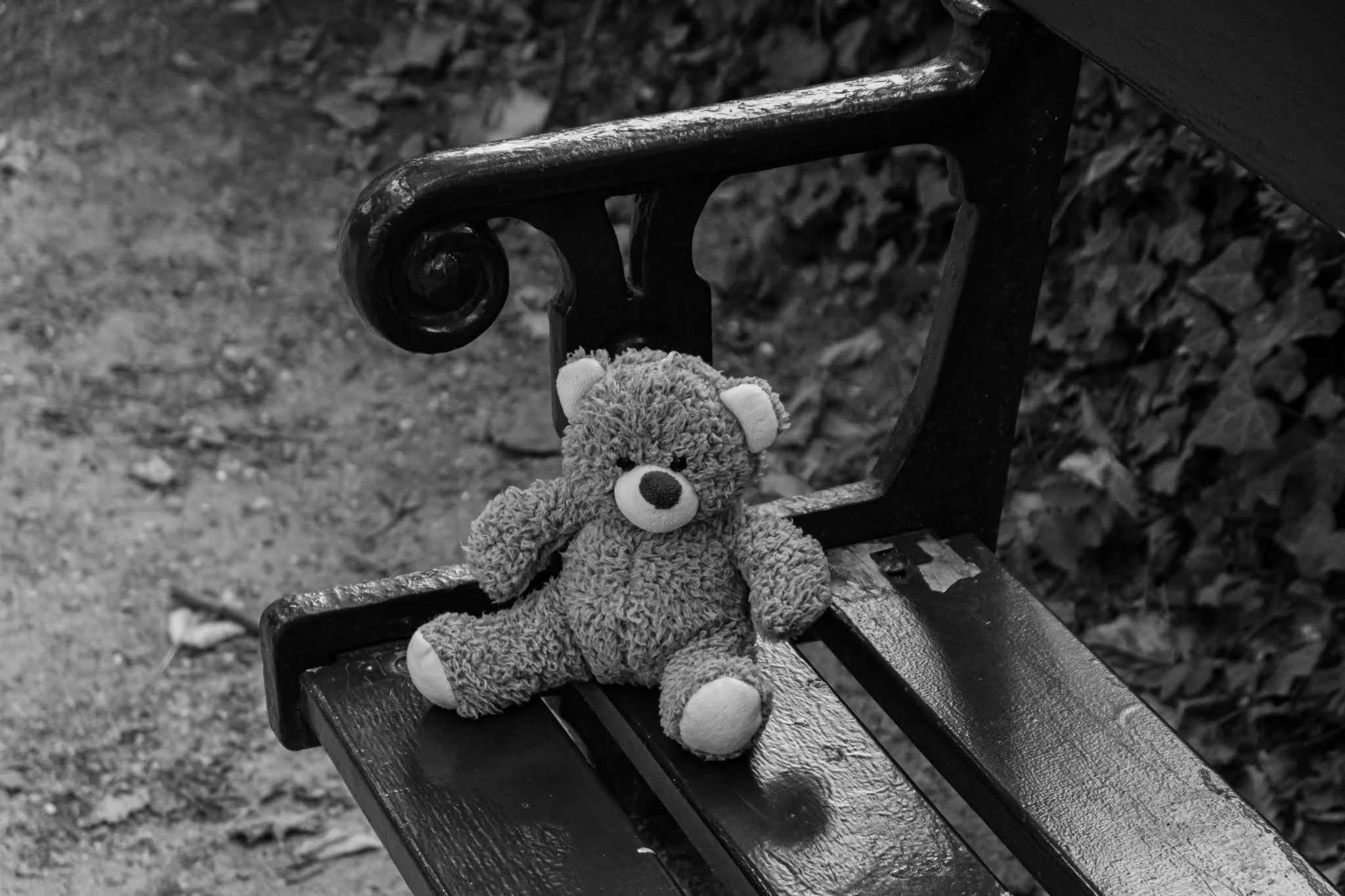
Childhood trauma can affect adult relationships in ways many people don't immediately recognize. Experiences from childhood often shape how we communicate, handle conflict, trust others, and respond to emotional closeness. The ways we learned to protect ourselves as children can continue to influence our relationships long after those experiences are over.
If you find yourself repeating the same relationship patterns, struggling with trust, feeling overly reactive during disagreements, or fearing abandonment, unresolved childhood trauma may be playing a role.
In this article, we'll explore how childhood trauma affects adult relationships, why these patterns develop, and how healing is possible.
Understanding the Connection Between Childhood Trauma and Adult Relationships
It’s three a.m and you’ve been fighting with your partner for hours. You can’t remember why the fight started, or what was so important, but you know that this is a pattern. You feel like you’re on a roller coaster of highs and lows that eventually lead to late-night arguments and broken hearts. You start to wonder, “Is there something wrong with me? If you feel like this, you aren’t alone.
Many people struggle with relationships that leave them feeling exhausted and emotionally drained like they're waiting for the next big blowup. If this sounds like you you might wonder how this pattern started and how to heal and move forward. You might even wonder if it’s possible to have a healthy relationship? The answer is yes. You can heal your relationship, and have healthier relationships moving forward.
Why Childhood Trauma Can Lead to Unstable Relationships
When we are small, we depend on our caregivers and trusted adults for all of our needs. Our survival depends on the love and care of others, but parents and other caregivers aren’t always willing and able to keep us safe. This can lead to scary experiences that stay with us even when we are adults.
Trauma also changes the way the brain functions. Your brain adapts to keep you safe and learns ways to help you survive. These become your inner beliefs and coping mechanisms. Both you and your partner might have learned these coping mechanisms, and now communication is difficult.
How Childhood Trauma Affects Communication and Conflict in Relationships
Growing up with childhood trauma means that your brain is like a sensitive security system. It’s trying to keep you safe after all, so your brain might see threats where they don’t actually exist, so your partner not texting you back feels like a bear chasing you through the woods. That misunderstanding feels urgent, like your relationship is in danger of collapsing now! So, you react with urgency and anger.
The parts of your brain that help you reason and emotionally regulate aren’t needed to run from a bear, so they are no longer in the lead. This means that it’s harder to solve problems, find solutions, and even express your feelings to your partner.
Your brain also wants you to remember dangerous things, so you might find that even after the disagreement is over, your brain replays it like an irritating song on repeat. Suddenly, it’s all you can think about. Worse than that, you can’t relax or rest. Have you ever had trouble sleeping after a disagreement? Stress chemicals and a brain bent on survival might be why.
Over time, these patterns become normal in your relationship, and communication with your partner feels even more dangerous than before. Layers of fights build up like callouses, and you start to expect the worst. You might find that both you and your partner become less vulnerable and less honest. Maybe you avoid hard conversations, or even each other. It might feel like your relationship is stuck and you don’t know why. You know you love your partner and you know they love you, so how can you get out of this spiral that feels so inevitable?
Breaking Unhealthy Relationship Patterns
The good news is that this is a learned pattern, and we can learn new patterns that don’t leave you fighting with your partner and feeling stressed and burnt out. The first step is letting go of judgment and shame. You experienced childhood trauma, and your brain did its best to keep you safe. Now you don’t need to protect yourself in the same way. You can learn new patterns of communication that will not only help your relationship, but also bring you more joy and rest in your everyday life.
Learning how to talk openly about emotions, needs, and challenges can take time, especially if vulnerability feels uncomfortable. If you're not sure where to start, our guide on how to talk about mental health with your partner offers practical tips for having these conversations in a way that feels supportive and productive.
Unlearning ingrained patterns of communication is difficult and takes work and consistent practice, but the good news is that you aren’t alone in doing the work of relearning how to have healthy relationships.
There are many books, podcasts, and videos devoted to the subject. In fact, there is so much information and, let's be honest, misinformation on the internet that it might feel overwhelming to get started. It’s also easy and expected that along the way you might slip into old patterns as your brain tries to learn a new sense of safety; that’s ok!
However, a couples therapist can provide accountability and a neutral space to talk about your relationship, explore your childhood experiences, and understand your coping mechanisms and communication patterns. You probably didn’t learn to ride a bike alone, and similarly you might need help learning a whole new way of communicating and thinking in your relationship.
Couples therapy is also a place where you learn new, less stressful means of managing conflict in the relationship. A couple’s therapist is a non-judgmental third party who won’t take sides or make you feel broken.
They are simply there to listen and walk alongside you and your partner as you discover a happier, healthier relationship.
Source: Hardwiring Happiness- Dr. Rick Hanson
https://thriveworks.com/help-with/relationships/childhood-trauma-in-adult-relationships/